
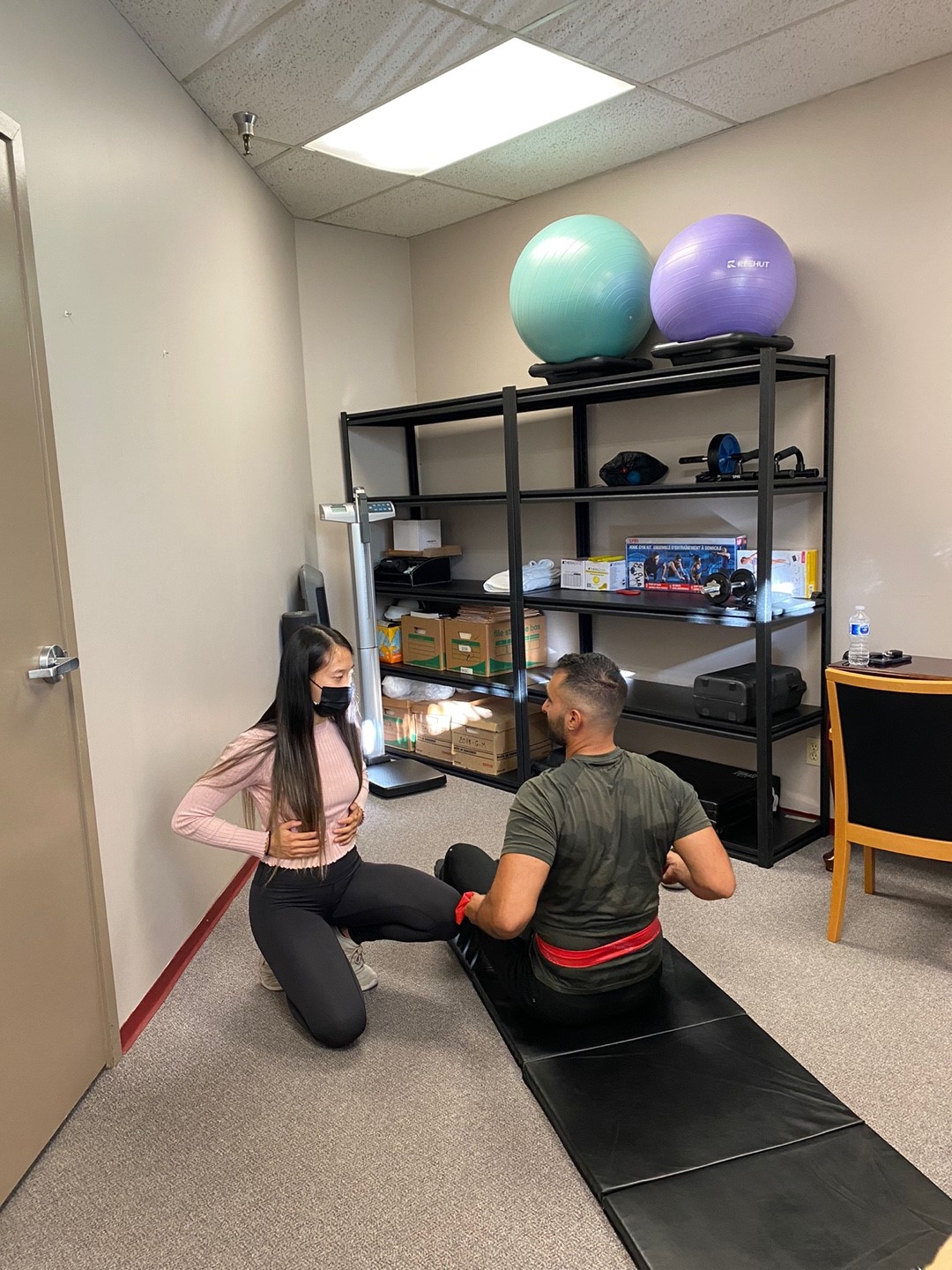
Active Rehab, or Active Rehabilitation, offers remarkable benefits through a unique healing approach. It enhances function and strength while effectively reducing pain. This form of therapy is particularly beneficial for individuals aiming to resume their daily activities or sports. Despite its advantages, the cost of active rehab can be challenging, as it truly varies among patients.
Several factors also influence the pricing of treatment. If you or someone you know is on the path to recovery after an injury or accident and active rehab is the recommended next step, continue scrolling to discover our quick and simple guide that helps you navigate the services and associated fees.
Table of Contents (Cost of Active Rehab in Burnaby)
How Active Rehabilitation Costs Are Measured
Active Rehabilitation Tailored to You (Just Like the Pricing)
Undergoing active rehab therapy is unique for everyone as it necessitates personalized care. In determining the type of treatment required, at Healing Sense, we must also know the client’s unique circumstances, health history, and rehabilitation goals. Kinesiologists work their magic by conducting thorough assessments, developing specialized exercise routines, and continuously adjusting the program as needed to contribute to the overall effectiveness of the treatment.
Often, this personalized plan may go beyond the exercise routine to closely monitor the patient’s progress, provide ongoing support and guidance, and adjust the program based on the patient’s individual response to treatment. This commitment to customization ensures that the rehabilitation plan remains aligned with the client’s evolving needs and circumstances.
This level of personalized care is also accompanied with the kinesiologist’s time and expertise. So when determining the overall pricing of active rehabilitation, the tailored rehabilitation programs reflects the investment of these additional resources to deliver a highly individualized and effective treatment experience. Usually, clients opting to stretch their budget can anticipate a more comprehensive treatment plan.
Healing Sense Kinesiologist: Ms. Michelle Kao

At Healing Sense, our registered kinesiologist, Ms. Michelle Kao, seamlessly integrates her specialized training in coaching, strength and conditioning, and active rehab into her role. A Simon Fraser University (SFU) kinesiology graduate, Ms. Kao has a wealth of experience working with diverse patients. Her passion extends to working with youths, having engaged with children in elementary and high schools. Further, Ms. Kao has dedicated her expertise to training children with Autism Spectrum Disorder (ASD) and has excelled as an ergonomist specialist.
Session Duration
The amount of time dedicated to each rehabilitation session plays a key role in shaping the overall cost of treatment. Kinesiologists may offer flexibility in session lengths to cater to individual needs and preferences. Longer sessions, typically spanning extended periods, can yield a higher cost due to the increased time and resources invested by the kinesiologist.
Moreover, many practitioners may offer package deals for multiple sessions, so that clients have the option to commit to a series of appointments at a discounted rate. The great thing about predetermined sessions is that it encourages clients to adhere to a more structured rehabilitation plan, but also provide them with potential savings compared to booking individual sessions.
The decision on session duration is often a collaborative one, taking into account the client’s specific requirements, health goals, and the complexity of the rehabilitation program. It’s important for clients to communicate their preferences and goals to the kinesiologist, as this helps in tailoring the treatment plan and determining the most suitable session duration. In essence, the flexibility in session lengths ensures that clients have the opportunity to choose a pricing structure that aligns with both their budget and the level of commitment they seek in their rehabilitation journey.
Specialized Equipment in Rehabilitation Sessions
Going the extra mile and investing in more specialized equipment in your rehabilitation sessions might end up saving you more time and money in the long run. While this also influences the overall cost of treatment, also keep in mind that with more tools and equipment, comes more precision, effectiveness, and thoroughness in interventions (and therefore, a more efficient recovery process).
Specialized equipment may include devices specifically designed for assessments or targeted strength training machines. These tools allow kinesiologists to gather detailed data, tailor exercises to specific muscle groups or movement patterns, and monitor progress with a higher degree of accuracy.
Altogether, these contribute to the overall operational costs of active rehabilitation. Consequently, patients can expect higher fees associated with sessions that incorporate these specialized resources. Consider how the potential benefits such as higher precision in diagnostics, personalized training regimens, and improved outcomes may justify the additional costs for individuals seeking a more advanced and targeted approach to their rehabilitation. Before beginning a rehabilitation program, clients can discuss the use of specialized equipment with their kinesiologist to understand its role in their treatment and any associated costs.
Save More On Active Rehab With Health Insurance
At Healing Sense, we make it a part of our mission to help patients get access to the care they need. With that comes the accommodation of extended health insurance, WorkSafe BC, and ICBC claims (with direct billing). At our clinic, clients have the opportunity to make the most out of their insurance coverage and alleviate some of the cost associated with their sessions.
It’s important to remember that insurance coverage varies on the type of coverage a client has, along with specific details of their plan, the reimbursement rates negotiated between the kinesiologist and the insurance provider all play crucial roles. Some insurance plans may provide full coverage, while others only offer partial. With that said, understanding the insurance policy including any limitations, co-payments, or deductibles that apply to kinesiology services is vital.
Our clinic helps clients determine their insurance coverage before beginning their rehabilitation therapy so patients can make informed decisions about their financial commitment and ensures transparency regarding potential out-of-pocket expenses related to kinesiology sessions.
If you have recently been in a car accident, you can be entitled to full coverage with direct billing to ICBC. This means you can be 100% covered without having to worry about paying upfront. Learn more about insurance coverage and how you can save big on treatment costs.
Active Rehab Cost of Services
Burnaby Kinesiology at Healing Sense Clinic
Now that we have gone over some key factors of how the cost of active rehab sessions are calculated, the table below describes our kinesiology services and associated fees.
For any questions about the services, pricing, and treatment plan, please call our clinic at +1 (778) 379-5086 or email us at healingsense@hotmail.com.
| Kinesiology Initial | $100 |
| Kinesiology Subsequent | $80 |
| Kinesiology Subsequent (Short Session) | $60 |
| Car Accident Case | $0 (Direct Billing to ICBC) |
| Extended Health Insurances | Costs May Vary |
Return to Your Regular Routine Today
You’ve reached the end of this page, and now you know more about how we measure fees for your active rehab treatments. Remember, Active Rehab is all about you – there’s no one-size-fits-all approach to cost or your personalized plan. The price depends on things like the type of treatment, your insurance, the kinesiologist’s experience, where we are, how long each session is, and the customized program you need. It’s your journey, uniquely crafted for you!
If you’re looking to get treated, contact us and we’ll guide you through the next steps.