
Physiotherapy Burnaby

What is physical therapy?
Physiotherapy Burnaby
Physiotherapy is known to provide excellent vehicle accident treatment rehabilitation by presenting different therapeutic exercises, manual therapy, and other modalities. Physiotherapists help with pain management, increase range of motions, strengthening muscles, and improve balance after a car accident.
It's not just about treating pain; it's about understanding the root cause of the problem and empowering individuals to take an active role in their recovery and long-term health. Physiotherapists work with people of all ages, helping them recover from injury, manage chronic conditions, prevent future issues, and improve their overall quality of life.
Physiotherapy Burnaby: Healing Sense Clinic Burnaby presents specialized physiotherapy care for patients with muscular pain, joint pain, car accident recovery, work injury recovery, and many other conditions in Burnaby and Vancouver.
Are you looking for the best physiotherapist near me for your needs? We are incorporating scientific approach to help recovery for many patients in Burnaby and Vancouver. Here we cover some topics that many patients wonder before and after they participate physiotherapy sessions in Healing Sense Clinic in Burnaby.
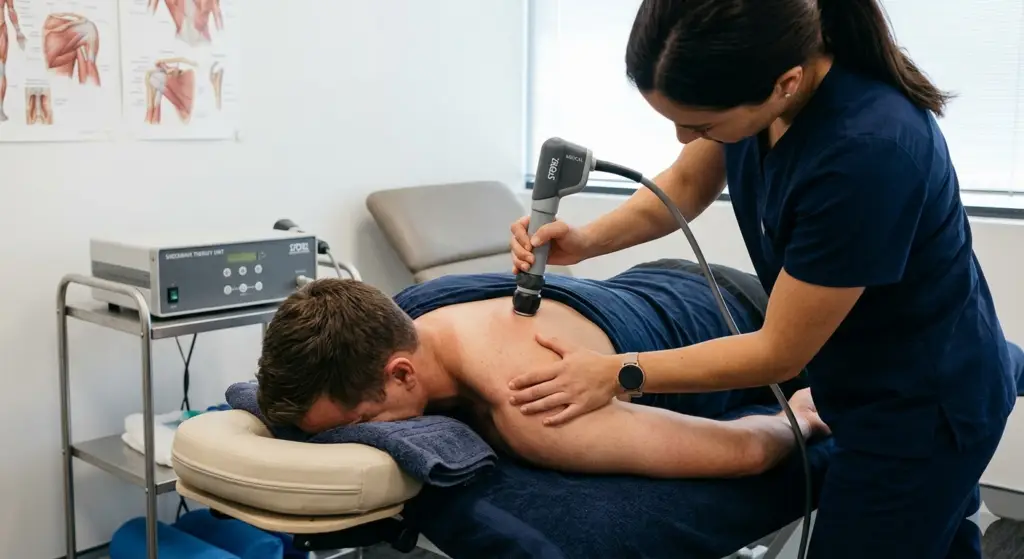
1. Physiotherapy Buranaby: What is Physiotherapy?
- Physiotherapy Burnaby: What is physiotherapy?
- Physiotherapy includes assessment of condition, delivering the appropriate treatment including physiotherapy modalities, manual therapy, or rehabilitation exercises.
- There are different types of physiotherapies available.
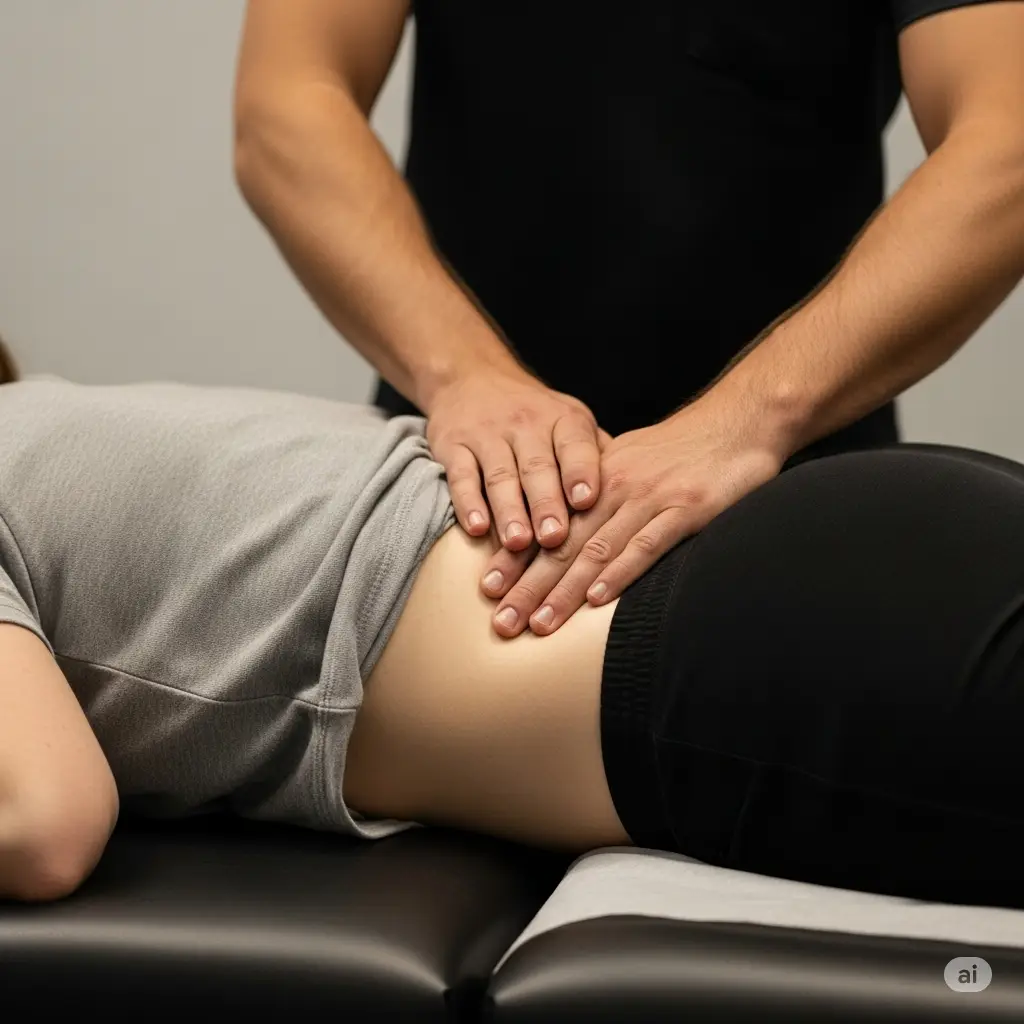
- manual therapy: physiotherapist will assist you with different active and passive movement which may facilitate the correct movement of the joints and muscles.
- active rehabilitation: After surgery or major car accident injuries, you must activate your muscles and joints which have been inactive for a while. Physiotherapist will assist you with the therapeutic exercises that will alleviate your conditions.
- dry needling: physiotherapist will use the electric stimulation machine combined with acupuncture needles (however, this is NOT acupuncture and uses different method of healing).
- shockwave therapy: Shockwave machine is used to treat plantar fasciitis, shoulder pain/calcification, trigger finger condition, and many more ligament/tendon/muscle related conditions.
- Soft tissue work: Physiotherapist in Healing Sense Clinic in Burnaby will work hands on soft-tissue work on the affected body area. This is different than massage in terms of the nature of how it works.
- TENS machine: Electric stimulation is designed to relax muscles, desensitize the pain, and in some cases, regenerate some nerves.
- Physiotherapy Burnaby: What Is Physiotherapy?
- Physiotherapy is a healthcare profession focused on helping people restore, maintain, and improve their movement, function, and overall physical well-being. It uses evidence-based techniques to treat injuries, manage pain, and support recovery from illness or disability.
- Physiotherapists are trained to assess how your body moves and identify the root cause of pain or dysfunction—not just treat the symptoms.
- A Patient-Centered Approach
- Physiotherapy focuses on empowering you to take an active role in your recovery. Treatment is tailored to your needs, lifestyle, and goals, helping you move better and feel stronger over time.
- Why It Matters
- Whether you’re recovering from an injury, managing a chronic condition, or looking to improve your physical performance, physiotherapy helps you get back to doing what you love—safely and confidently.

2. Physiotherapy Burnaby: How to find the best physiotherapist for me in Burnaby?
- Best Physiotherapists in Burnaby - How to find the best physiotherapist?
- There is no such clear definition of the best physiotherapist since different patients need different types of technique or care for their specific conditions. However, there are some qualifications you might want to check if the physiotherapist is right for you.
- Physiotherapy Burnaby License: Check if the physiotherapist you found is qualified in Burnaby B.C. for being a physiotherapist. The license issuer should be clear and well presented. The school he or she has graduated must be checked. See if their schools and license issuers for physiotherapy are reputable organizations in BC Canada.
- Burnaby Business License: Check the clinic or organizations that the physiotherapist has been working or currently working. Is this physiotherapy clinic near me? Does the clinic offer the administration services that help with the physiotherapy sessions such as direct claiming for insurances, ICBC car accident claims, WorksafeBC claims, and working together with other therapies. This would enhance the experience of Physiotherapy sessions offered in the clinic. Healing Sense Clinic in Burnaby and Surrey offers direct billing for insurances, car accident cases, work injuries, and have multiple different therapies in the clinic with one stop therapy sessions.
- Specializations: Just because a physiotherapist has a specialization does not guarantee the therapist is good for you. Check if the specialization the physiotherapist has fit for your need. The first thing is to consult with the physiotherapist and see if she or he provides the therapy you need. For example, if your problem is originating from the neck but your physiotherapist's specialization is pelvic floor therapy, it would not benefit as much.
- There is no such clear definition of the best physiotherapist since different patients need different types of technique or care for their specific conditions. However, there are some qualifications you might want to check if the physiotherapist is right for you.
3. Physiotherapy Burnaby: What conditions do you need to see a physiotherapist?
- Chronic/acute pain: If you experience any type of muscle, joint, or nerve pain or discomfort which is not from usual exercises or work, you might want to check with a physiotherapist.
- Car accident ICBC cases: Motor vehicle accident injuries.
- Ligaments, tendon injuries
- Muscle tension or tightness
- After surgery recovery and rehab
- Muscle and joint pain (e.g., neck, back, shoulder, knee)
- Sports injuries
- Post-surgical rehabilitation
- Neurological conditions (e.g., stroke, Parkinson’s disease)
- Balance and mobility issues
- Workplace or repetitive strain injuries
4. Physiotherapy Burnaby: What to Expect in Treatment?
- Your physiotherapy journey typically begins with a thorough assessment, where your physiotherapist will review your history, movement patterns, and goals. Based on this, a personalized treatment plan is created, which may include:
- Targeted exercises to improve strength and flexibility
- Manual therapy (hands-on techniques)
- Education on posture, movement, and injury prevention
- Pain management strategies
- Functional training to help you return to daily activities
5. Physiotherapist Burnaby for Car Accident Cases
If you got involved in a motor vehicle accident and experience any pain, our physiotherapists are here to help you to recover in Healing Sense Clinic Burnaby, BC, Canada. All of our physiotherapists are fully approved by ICBC and direct billing is also available.
If you are into a car accident in BC, Canada, please do not wait until you start with our physiotherapists since ICBC will automatically cover 12 weeks from the date of motor vehicle accident (NOT from your treatment start date!). You do not need any doctor's note to start the treatment EVEN if the accident is at your fault.
Healing Sense Clinic recommends you to start your motor vehicle accident treatment with our head chiropractor, Isaac D. Lee, since he will advise the appropriate diagnosis with X-rays and documents and recommends all other therapists. Please book a consultation with our Doctor of Chiropractic, Isaac D. Lee for your initial car accident injury recovery.
Check our youtube video about motor vehicle ICBC coverage.
6. Physiotherapy Burnaby: How to make an appointment?
- Booking Online: The easiest and most convenient way to make an appointments.

Once you click this button, you will find our physiotherapists in Burnaby. Find the best physiotherapist for you and the time available for both you and the physiotherapist. If you create your online account, it will be much each easier to find times, reschedule, and check your own appointments.
- Phone: 672-272-4549 (texting available) (한국어)
- Phone: 778-379-5086 (no texting)
- Address
- Healing Sense Physiotherapy Burnaby: 101A-E.Hastings St, Burnaby, BC, Canada
Treatments
Manual Therapy
Manual therapy is a specialized area of physiotherapy (and other healthcare professions like chiropractic or osteopathy) that involves hands-on treatment techniques to diagnose and treat musculoskeletal pain and dysfunction. It is a highly skilled form of therapy where the practitioner uses their hands to apply pressure to muscle tissue and to manipulate joints. The core principle of manual therapy is to restore movement, reduce pain, and improve function by directly addressing issues within the body's soft tissues (muscles, fascia, tendons, ligaments) and joints. It's about feeling the tissues, identifying restrictions, and applying precise, controlled forces to facilitate healing and restore normal mechanics.

Conditions Treated by Manual Therapy
- Spinal Conditions:
- Acute and Chronic Back Pain (e.g., lower back pain, sciatica)
- Neck Pain and Stiffness (e.g., whiplash, torticollis)
- Headaches (tension headaches, cervicogenic headaches)
- Disc-related issues (e.g., disc bulges, herniations)
- Joint Conditions:
- Shoulder Pain (e.g., frozen shoulder, rotator cuff issues)
- Knee Pain (e.g., patellofemoral pain, post-surgical stiffness)
- Hip Pain (e.g., impingement, bursitis)
- Ankle and Foot Pain (e.g., ankle sprains, plantar fasciitis)
- Elbow Pain (e.g., tennis elbow, golfer's elbow)
- Wrist and Hand Pain (e.g., carpal tunnel syndrome, repetitive strain injuries)
- Muscle & Soft Tissue Issues:
- Muscle strains and sprains
- Tendonitis/Tendinopathy
- Myofascial pain syndrome (trigger points)
- Fibromyalgia (for pain management)
- Post-Surgical Rehabilitation:
- Addressing stiffness and restoring movement after joint replacements, spinal surgeries, or fracture repairs.
- Postural Dysfunction:
- Correcting imbalances that contribute to chronic pain and poor posture.
Benefits of Manual Therapy:
- Pain Relief: Directly addresses the source of pain by reducing muscle tension, decreasing joint stiffness, and influencing nerve pathways.
- Improved Range of Motion: Helps to restore normal movement in joints that are restricted due to stiffness, scar tissue, or muscle guarding.
- Reduced Muscle Spasm & Tension: Releases tightness and knots in muscles, alleviating discomfort and improving circulation.
- Enhanced Tissue Healing: By improving blood flow and reducing mechanical stress, manual therapy can create an optimal environment for tissues to repair.
- Decreased Swelling & Inflammation: Specific techniques can aid lymphatic drainage, helping to reduce localized swelling and inflammation.
- Better Posture & Alignment: By correcting joint restrictions and muscle imbalances, manual therapy can contribute to improved body mechanics and posture.
- Increased Function: Ultimately, by reducing pain and improving movement, patients can perform daily activities, work, and recreational pursuits with greater ease and less discomfort.
- Reduced Need for Medication: Often, effective manual therapy can lessen reliance on pain medications.
The Result of Manual Therapy Treatment
Noticeable Improvement in Movement
You'll experience increased flexibility and a greater ability to move the affected body part.
Decreased Stiffness
Joints and muscles will feel less restricted and more supple.
Improved Sleep Quality
Reduced pain and tension can lead to more restful sleep.
Enhanced Body Awareness
You'll often gain a better understanding of your body's mechanics and how to maintain its health.
Greater Ease in Daily Activities
Tasks that were painful or challenging (like reaching, bending, lifting) become easier to perform.
Faster Recovery
By optimizing the healing environment, manual therapy can accelerate your overall rehabilitation process.
Long-Term Function
When combined with therapeutic exercises and education, manual therapy contributes to lasting improvements in physical function and a reduced risk of recurrence.
Exercise Therapy
Exercise therapy is a core component of physiotherapy and a specialized approach to rehabilitating injuries, managing chronic conditions, preventing illness, and improving overall physical function through prescribed physical activity. It involves a carefully designed and supervised program of exercises tailored to an individual's specific needs, goals, and physical capabilities. Unlike general fitness, exercise therapy is a therapeutic intervention based on scientific principles of movement, anatomy, and physiology. It's about using movement as medicine, guiding the body to heal, strengthen, and regain optimal performance.

Conditions Treated by Exercise Therapy
Exercise therapy is highly versatile and forms a crucial part of treatment for a vast array of conditions, including:- Musculoskeletal Injuries:
- Back and Neck Pain (e.g., disc herniations, sciatica, muscle strains)
- Shoulder Injuries (e.g., rotator cuff tears, impingement, frozen shoulder)
- Knee Injuries (e.g., ACL tears, meniscus injuries, patellofemoral pain syndrome)
- Hip Pain (e.g., bursitis, labral tears)
- Ankle and Foot Problems (e.g., sprains, plantar fasciitis, Achilles tendinitis)
- Arthritis (Osteoarthritis, Rheumatoid Arthritis)
- Tendinopathies (e.g., Tennis Elbow, Golfer's Elbow)
- Post-fracture rehabilitation
- Post-Surgical Rehabilitation:
- Joint replacements (hip, knee, shoulder)
- Spinal surgeries (fusion, laminectomy)
- Ligament and tendon repairs
- Neurological Conditions:
- Stroke rehabilitation (to regain movement and function)
- Parkinson's Disease (to maintain mobility and balance)
- Multiple Sclerosis (MS) (to manage fatigue and spasticity)
- Spinal Cord Injuries (to maximize remaining function)
- Balance disorders and vertigo
- Chronic Pain Syndromes:
- Fibromyalgia
- Chronic Regional Pain Syndrome (CRPS)
- Cardiovascular and Pulmonary Conditions:
- Rehabilitation after heart attack or cardiac surgery
- Management of COPD, asthma, or cystic fibrosis
- Postural Issues:
- Scoliosis management
- Kyphosis (rounded shoulders)
- General Deconditioning:
- Weakness or reduced fitness due to prolonged illness or inactivity.
Benefits of Exercise Therapy
- Exercise therapy offers profound and lasting benefits that go beyond simple pain relief: -Restored Strength and Endurance
- Improved Flexibility and Range of Motion: Targeted stretches and movements can restore lost joint mobility and muscle length, reducing stiffness.
- Reduced Pain: By strengthening supporting muscles, improving circulation, and encouraging natural pain-relieving chemicals (endorphins), exercise therapy significantly reduces discomfort.
- Enhanced Balance and Coordination: Specific exercises challenge stability, improving proprioception (body awareness) and reducing the risk of falls.
- Accelerated Healing: Controlled movement promotes blood flow and tissue regeneration, creating an optimal environment for recovery from injury or surgery.
- Prevention of Future Injury: Corrects muscle imbalances, poor movement patterns, and postural issues that can lead to re-injury.
- Improved Cardiovascular Health: Aerobic components can boost heart and lung function, beneficial for overall health and recovery.
- Better Posture and Body Mechanics: Strengthens core muscles and teaches efficient movement patterns, correcting postural deviations.
- Increased Functional Independence: Enables individuals to perform daily tasks, work-related activities, and hobbies with greater ease and confidence.
- Boosted Mood and Mental Well-being: Physical activity is known to reduce stress, anxiety, and symptoms of depression, enhancing overall quality of life.
How Does the treatment Work?
Sustainable Pain Management
Patients often learn to control their pain levels and reduce reliance on medication through active self-management.
Return to Desired Activities
The ability to get back to work, hobbies, sports, and daily tasks without pain or limitation.
Increased Confidence in Movement
Reduced fear of movement and improved self-efficacy in performing physical tasks.
Long-Term Injury Prevention
Equipping individuals with the knowledge and strength to prevent future episodes of pain or injury.
Improved Physical Fitness
General enhancement of strength, endurance, flexibility, and overall conditioning.
Better Quality of Life
Increased ability to participate in social activities, enjoy leisure pursuits, and maintain independence.
Empowerment
Patients gain control over their recovery and health, fostering a proactive approach to well-being.
Correction of Underlying Issues
Addressing the root cause of the problem, rather than just treating symptoms, for lasting results.